
Everybody Else Has to Stay
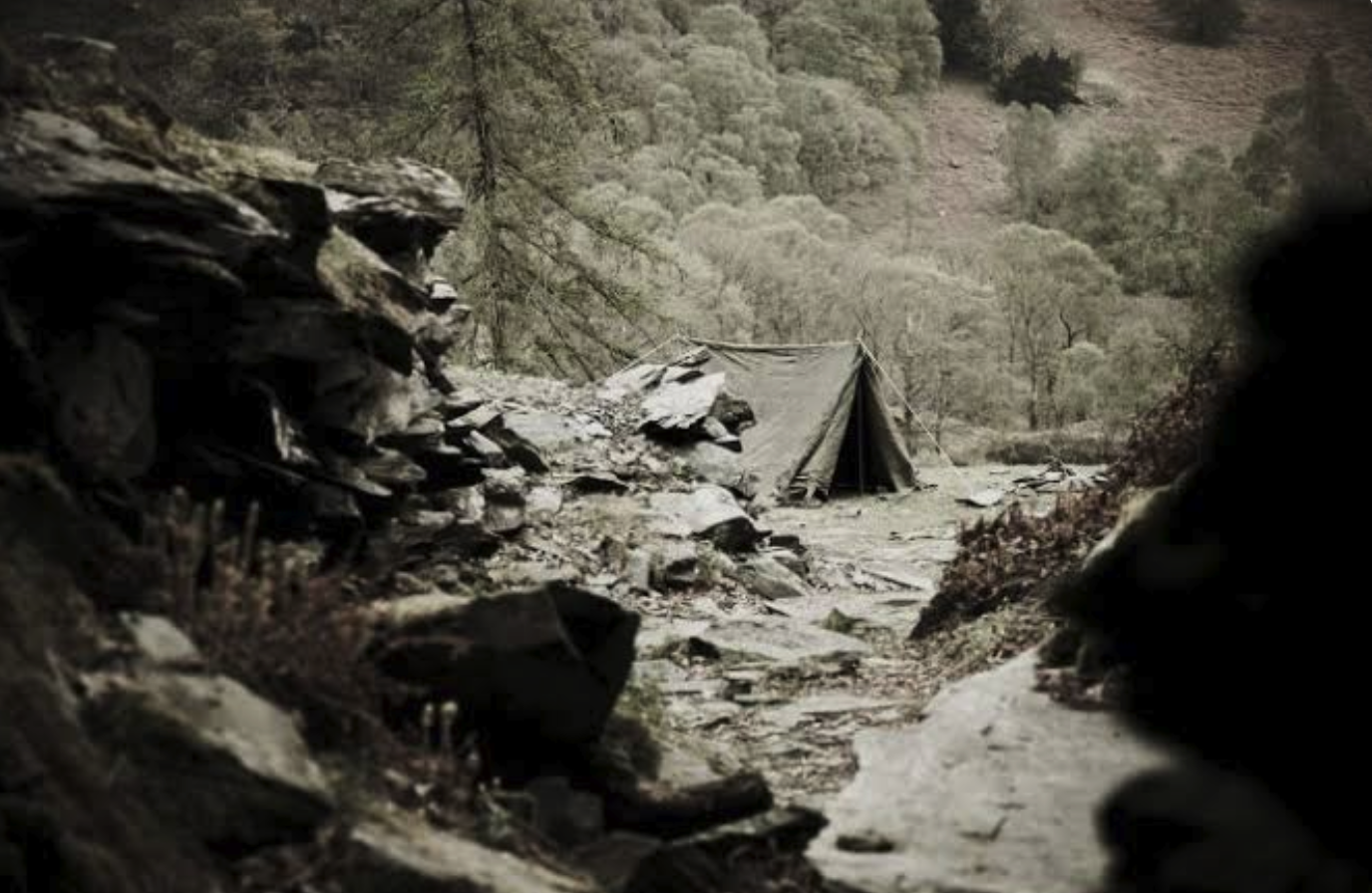
Last Friday we followed Millican Dalton out of his London insurance office and into a cave in the Lake District, where he lived for years as the self-appointed Professor of Adventure. The conversation kept circling back to who pays for that kind of freedom.
After two sessions on planning from above, with Cybersyn's control room and the long view of Three Horizons, this one turned the question around. What does one person owe the arrangement everyone else is still living inside?
Paul Foxx looked back on his own ski-bum years and named the part people skip when they admire that life: his position in society made it possible. The van-lifer gets reverence. The person sleeping rough in San Francisco gets treated as a problem to manage. The difference between them is choice, and choice is what we end up admiring.
"For someone to step outside of society, everybody else has to stay."
RJ reminded us that the mind is the one thing you can't leave at the trailhead. Whatever was suffocating you in the city rides along to the mountain and finds new reasons to tighten.
Kwesi Robertson went after the lone cowboy, the VP who quits to sell wood chips on Etsy and then sells the story of quitting. His read: a lot of dropping out starts with feeling personally inconvenienced, with little interest in fixing anything for the rest of us. And the escape still needs a working society behind it, if only to have something to rebel against.
John Hicks made the unfashionable case for the office. Corporate life drills in a few habits worth keeping: stay calm, assume a mistake isn't an attack, say the thing directly instead of going quiet. A commune needs those as badly as a multinational does. Somebody still has to cook dinner and show up on time.
Andrew Nelson put a number on real isolation. Somewhere around day sixty the novelty wears off and you feel the weight of being unable to leave. Anyone can choose a hard life with a return ticket in their pocket.
We landed closer to home than Dalton's cave. Every generation stages its own walkout, from the Beats to the back-to-the-land communes to the converted Sprinter van on your feed. Chance the Gardener in Being There got through the world by paying attention to what was right in front of him. Maybe the harder trip is the one that doesn't require going anywhere.
So here's the question we couldn't settle: when you picture leaving, what are you walking toward?
