
Antonio Gramsci’s Warning
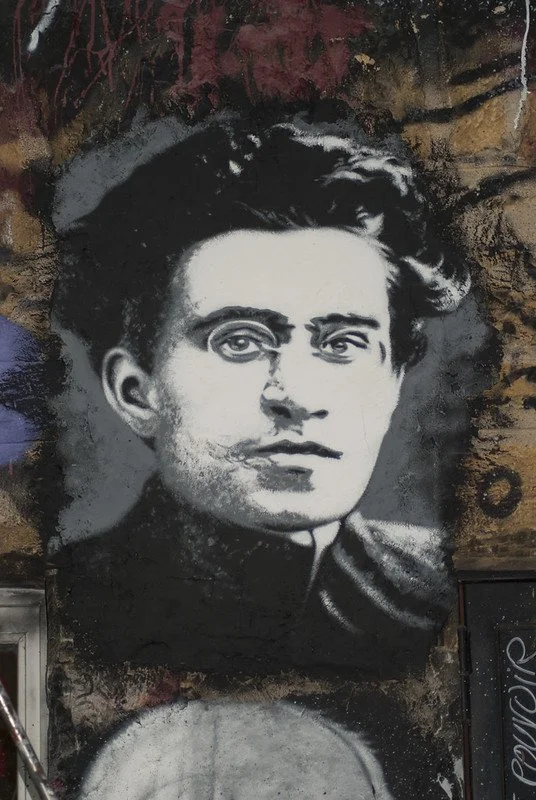
Focusing on the philosophical concept of interregnum, which describes a transitional period when "the old is dying, but the new cannot be born" the Context Salon explored whether contemporary society is experiencing such a period, characterized by "morbid symptoms" like the breakdown of social contracts, political polarization, and rising authoritarianism globally.
Key themes involved differing perspectives on whether the current turbulence is a unique societal system breakdown or merely a cyclical feature of history, particularly questioning the zero-sum nature of human interaction and the loss of shared reality that exacerbates division.
What We Discussed
Definition of Interregnum
The term interregnum literally means a period where normal government is suspended, but our discussion led to a more nuanced definition inspired by Gramsci's historical critique.
• A Time of Systemic Cracks: In the context of Gramsci, the interregnum is a period when a "particular order is crumbling, or being challenged, or showing cracks, or flaws". It is an "in-between time" where the existing system "feels like it's breaking and needs to change".
• Degradation of Social Contracts: A significant marker of the current period being an interregnum is the "degradation of that social contract"—the informal, unwritten set of behaviors and agreements necessary for managing group governance. This lack of agreement means people "can't agree on the terms we're talking from" or the "perspective that we're describing", leading to a loss of shared reality and making communication difficult.
• Subjectivity and Positionality: Whether a period qualifies as an interregnum depends greatly on "our perspective and our position in society". For those who are marginalized, shifts in power dynamics may have been occurring for generations, making the current instability nothing new. Conversely, some see the current state, which others call an interregnum, as "the attempt at the new order" that they desire. This suggests the term is often defined only when the turbulence "finally hits the barrier of the ruling class".
• The Rise of Morbid Symptoms: The uncertainty of the interregnum allows "morbid symptoms" to thrive. These include the reassertion of negative cultural aspects like white supremacy, attempting to restore a "stratified society" and undoing norms established by the civil rights movement. It is also characterized by the "zero sum" nature of human psychology in a capitalist society, where people perceive the equality or success of others as a threat, regardless of their own absolute success.
• In essence, the interregnum is defined not merely by a pause in governance, but by the simultaneous death of a governing order and the failure of a desirable replacement to achieve collective consensus, resulting in a crisis where negative, or "morbid," symptoms flourish.
The Importance of Framing
Framing is highly important when discussing complex issues like the current state of change. The discussion highlighted that reality can be understood through various frames, including categorical frames (such as politics, economics, or technology) and scale frames (macro or micro, such as personal interregnums).
• A central challenge articulated in the discussion was the need to be flexible and open to frames other than the ones we use. This is particularly difficult because there is a fundamental breakdown in communication: "We can't agree on the terms we're talking from," and consequently, "we can't agree upon the perspective that we're describing". Plus, the "frame and the lens and the language we use to describe where we are varies so much for so many people".
• Impact on Marginalized Groups: The concept of an interregnum feels heavy and "nonchalant at the same time" depending on who is defining it. Marginalized groups often experience fundamental power shifts "generations before the ruling class did," suggesting that the definition of an interregnum often only applies when the turbulence "finally hits the barrier of the ruling class". One participant saw the current issues as "very familiar," feeling that, in some ways, nothing has changed, despite surface-level shifts.
• Loss of Shared Reality: The breakdown of communication stems from the fact that the "truth became something very subjective". This loss of a "shared reality" means there is no "greater good" or "ultimate truth" because concepts like compassion and equality are translated differently depending on who is in power.
Underlying Dynamics and Human Nature
A core dynamic discussed was the zero-sum nature of human nature. This psychological tendency, identified as particularly "pernicious", causes people to "perceive the equality of others to be a threat".
• Relative Success as a Threat: This feeling of threat is not tied to absolute failure, but rather relative success. For example, a significant portion of the January 6th rioters were from counties where the white population had stagnant economic growth while the ethnic population saw increased economic growth. Although the white population's success might still have been higher, the "closing gap was perceived as a threat".
• Capitalism and Individualism: This zero-sum perspective is seen as "prevalent" in a "capitalist society" and is connected to "rugged individualism". We discussed whether this individualistic approach, common in Western societies, is "not as foundational" in places with a collective Confucian approach.
• Complacency of Equality: Conversely, complacency is a morbid symptom. Those who find equality "optional" fail to act, despite equality being "critical for another... group of people". One of the participants mentioned Martin Luther King's statement that the "white liberal is the greatest enemy because the complacency", highlighting the danger of waiting around for change rather than taking action.
Failure of Checks and Balances in Government
Replacement of Democracy with Management: The original constitutional system, which was designed with "checks and balances" to mitigate rising inequality resulting from the fact that people are born with "unequal talents and ambition", has been lost.
This system has been "replaced... with the notion of a managerial economy", where "efficiency and management has now replaced the democratic processes".
Read the notes, review the deliverables, and listen to the Deep Dive podcast in the Notebook.
Upcoming Salon
Previous Salons
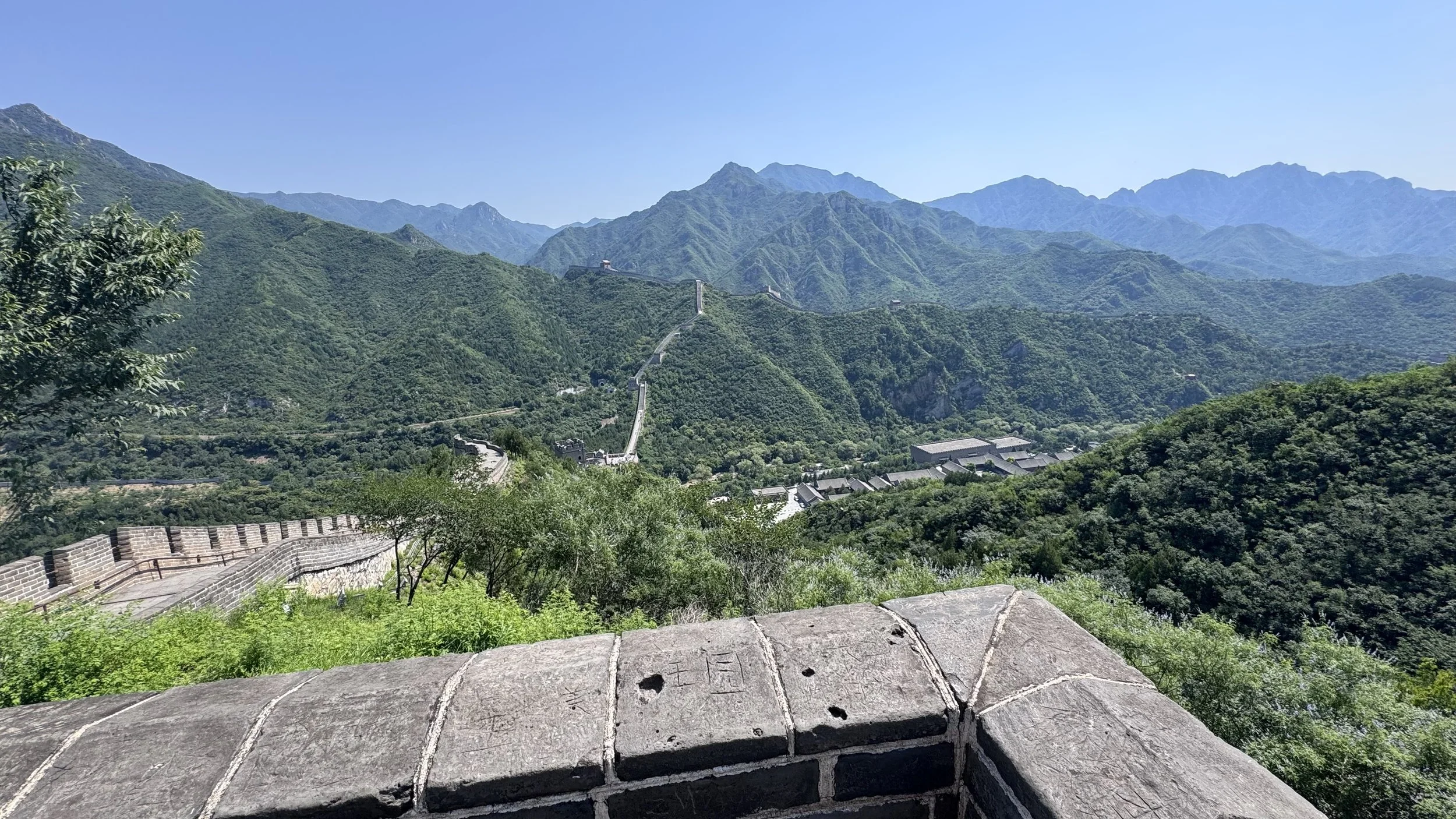
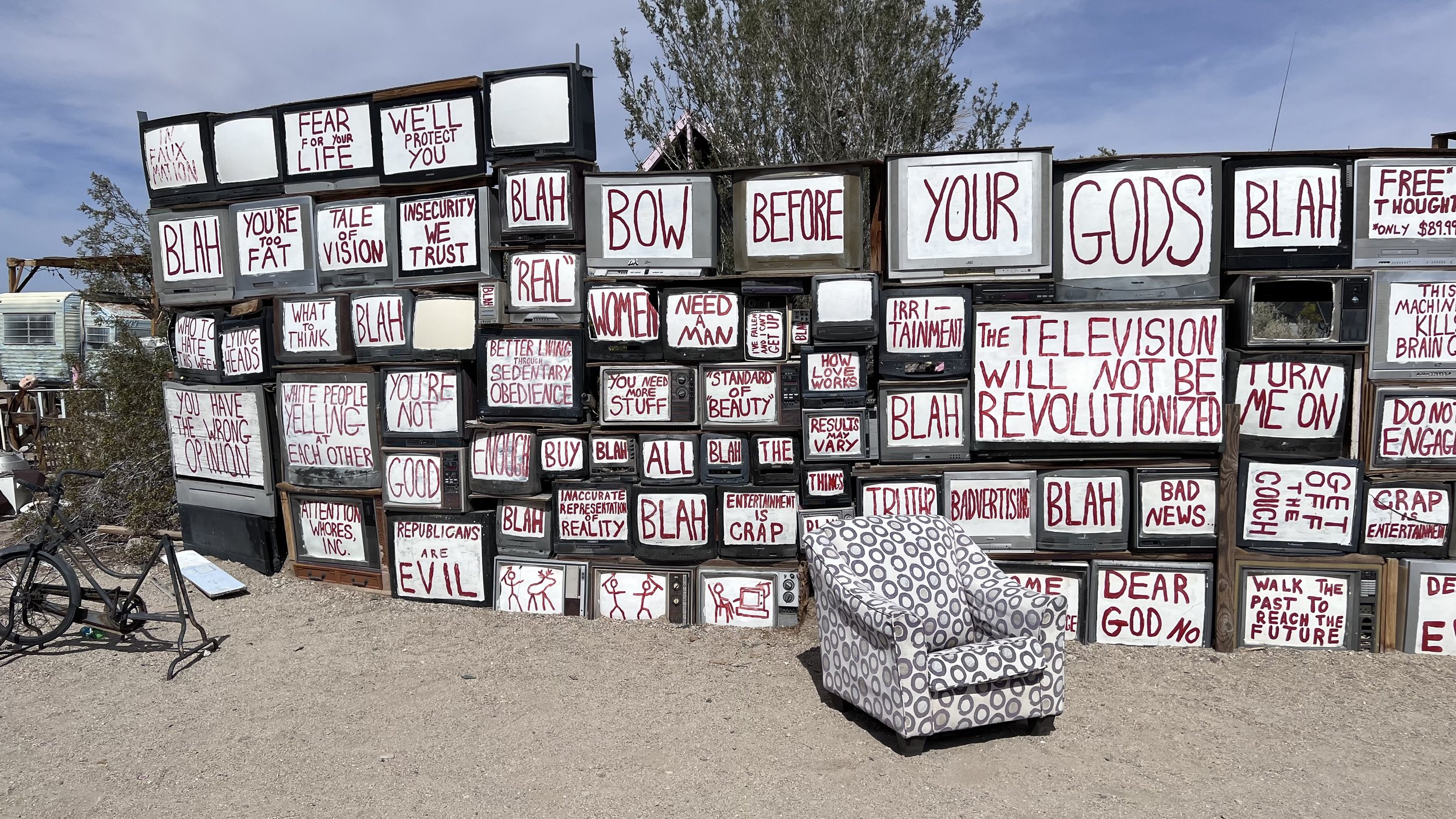

Chile, 1973. A control room, a coup, and the question we carried all day: what if things had gone differently?
Joel opened where this began for him, a high school classroom in the early ‘80s, learning what happened to Allende's Chile and to Stafford Beer's Project Cybersyn, the cybernetic experiment that tried to run an economy on real-time feedback before the world had the machinery for it. Not nostalgia, he reminded us. The road not taken can still teach us how to choose.